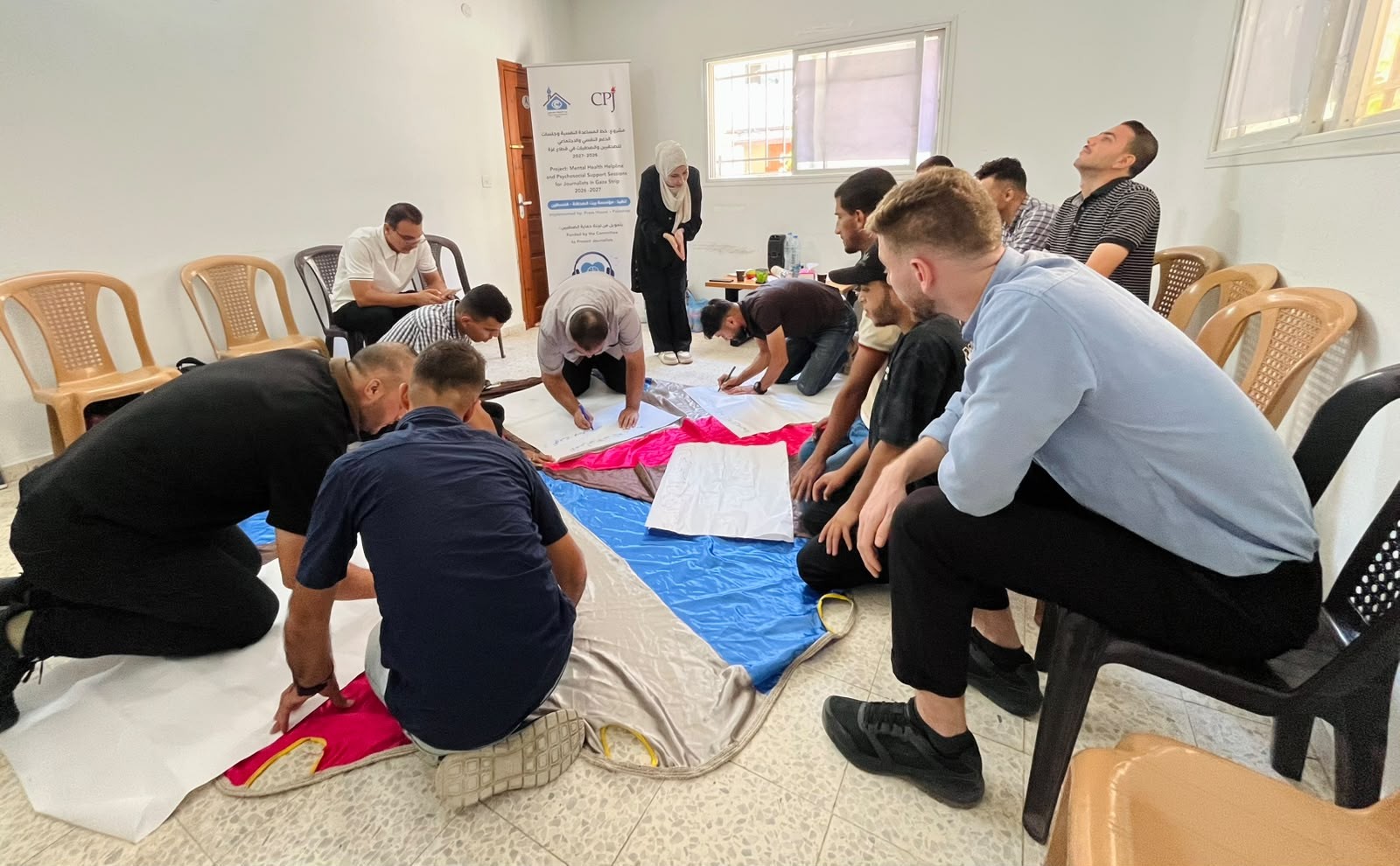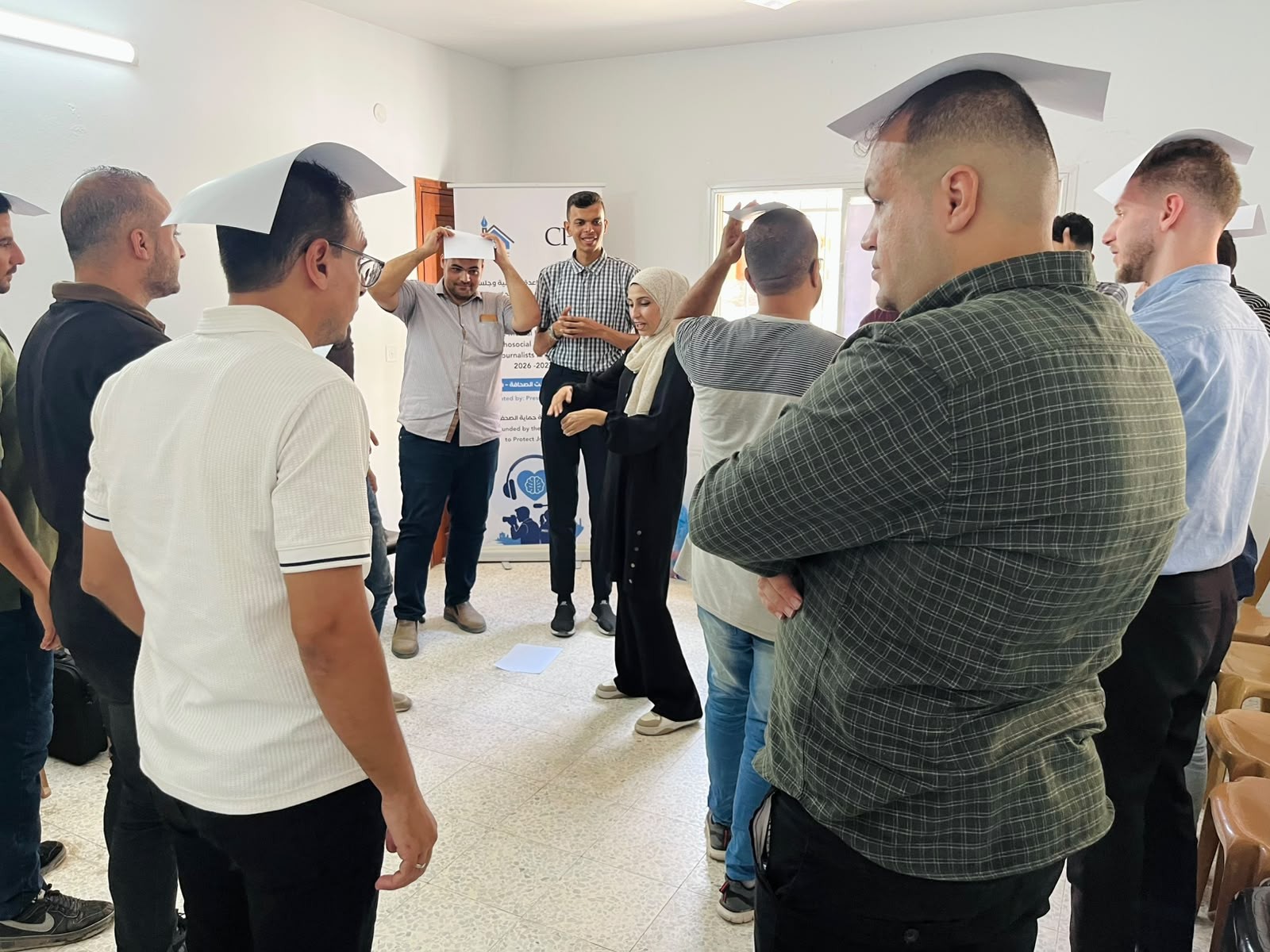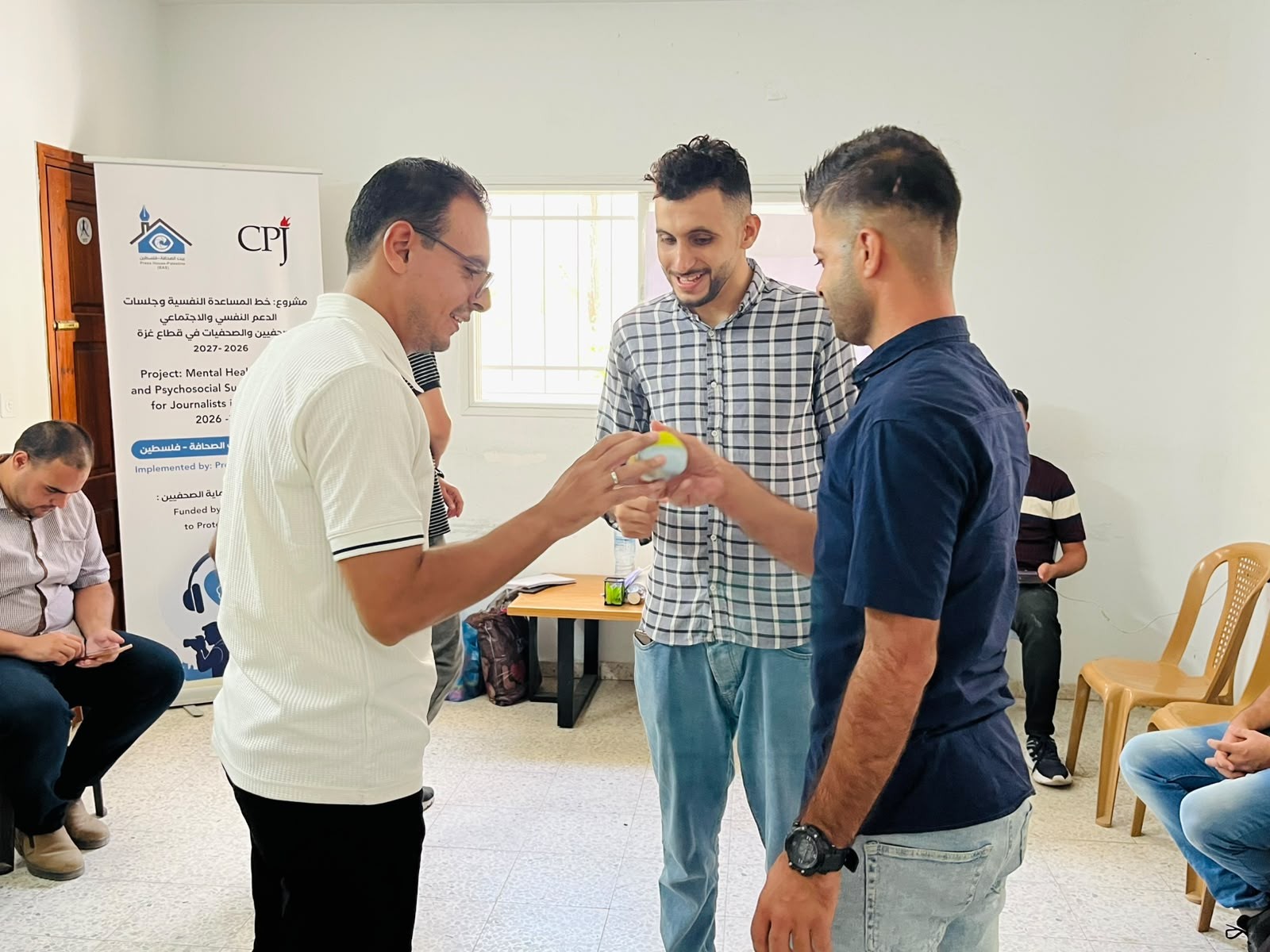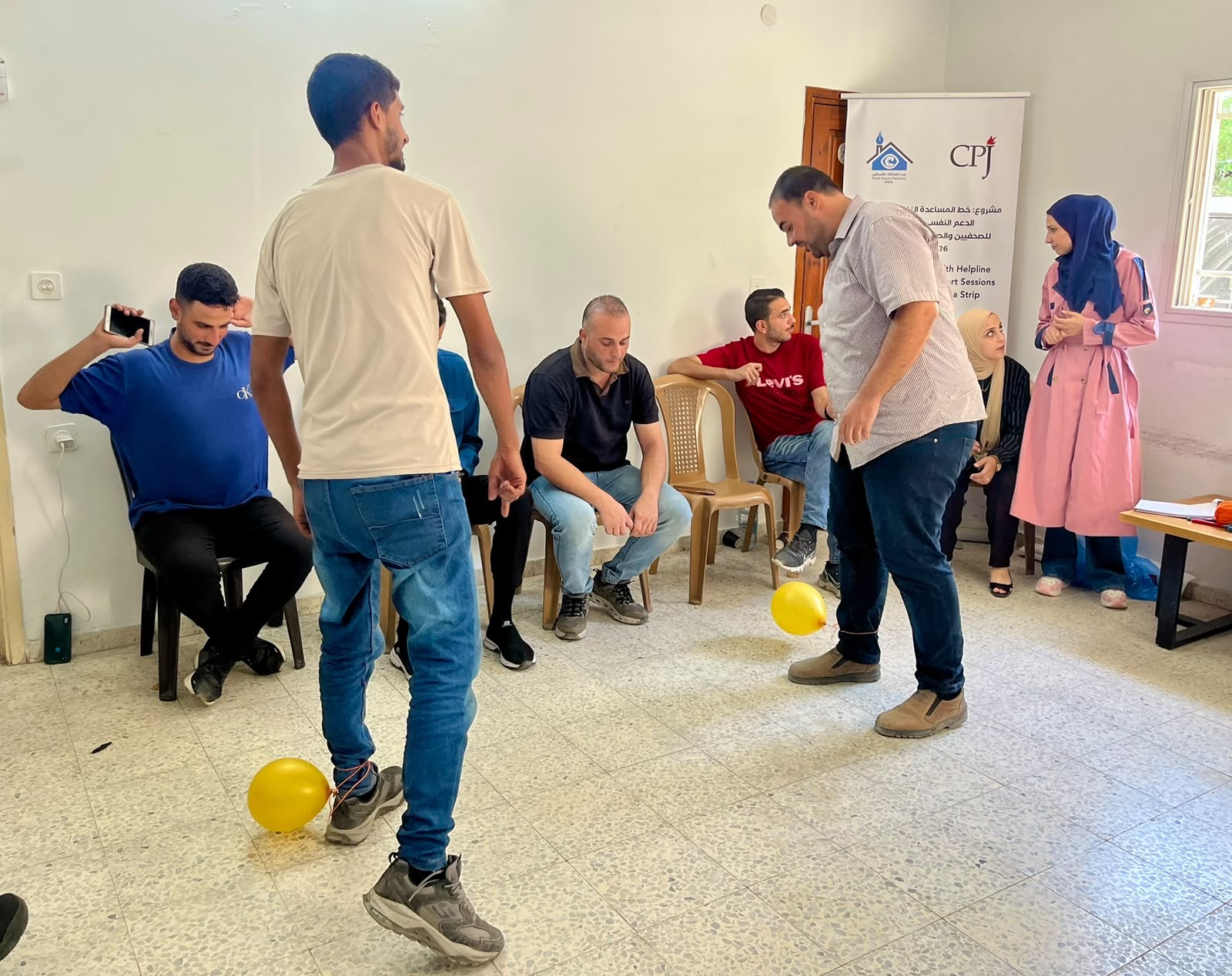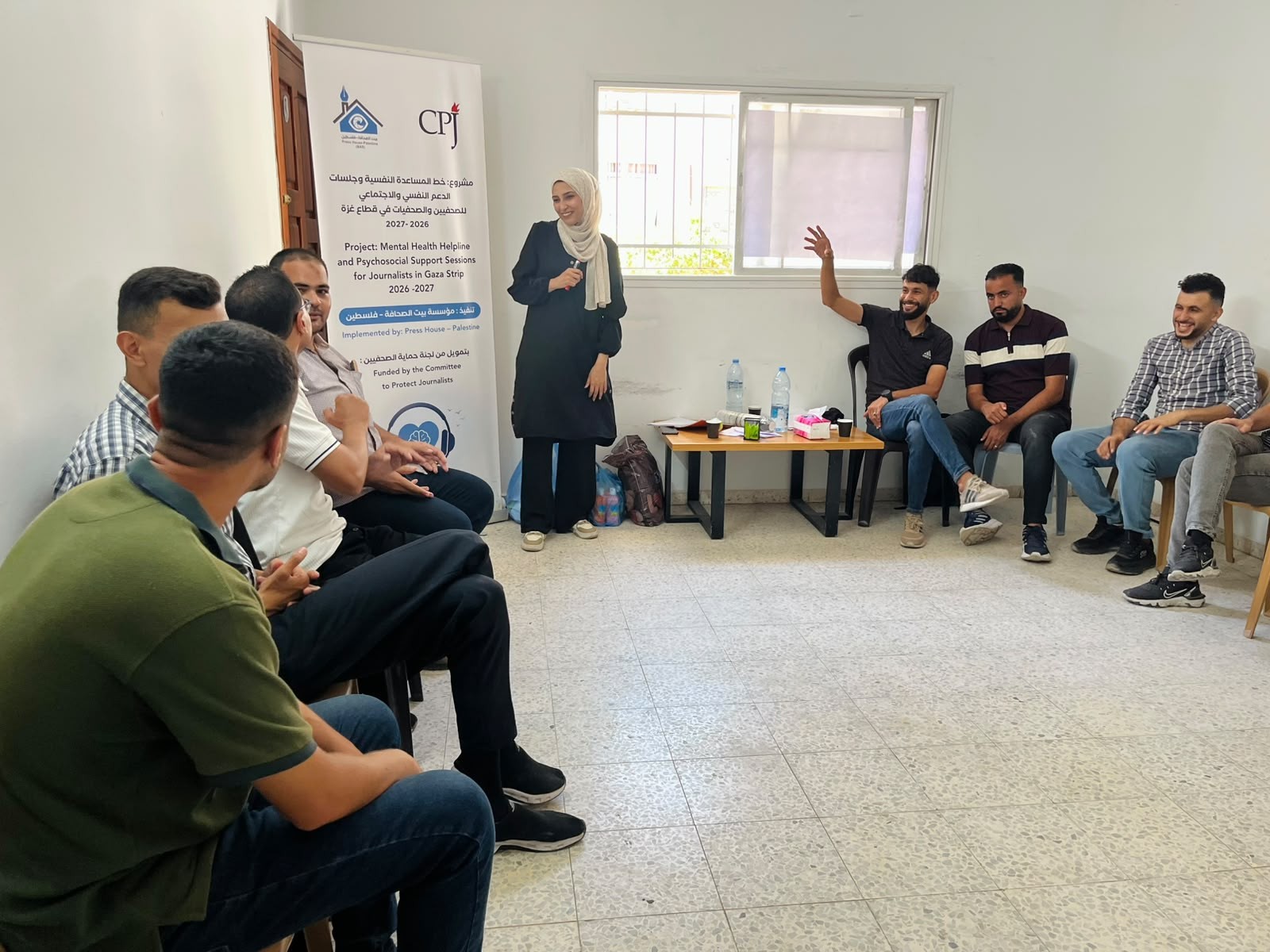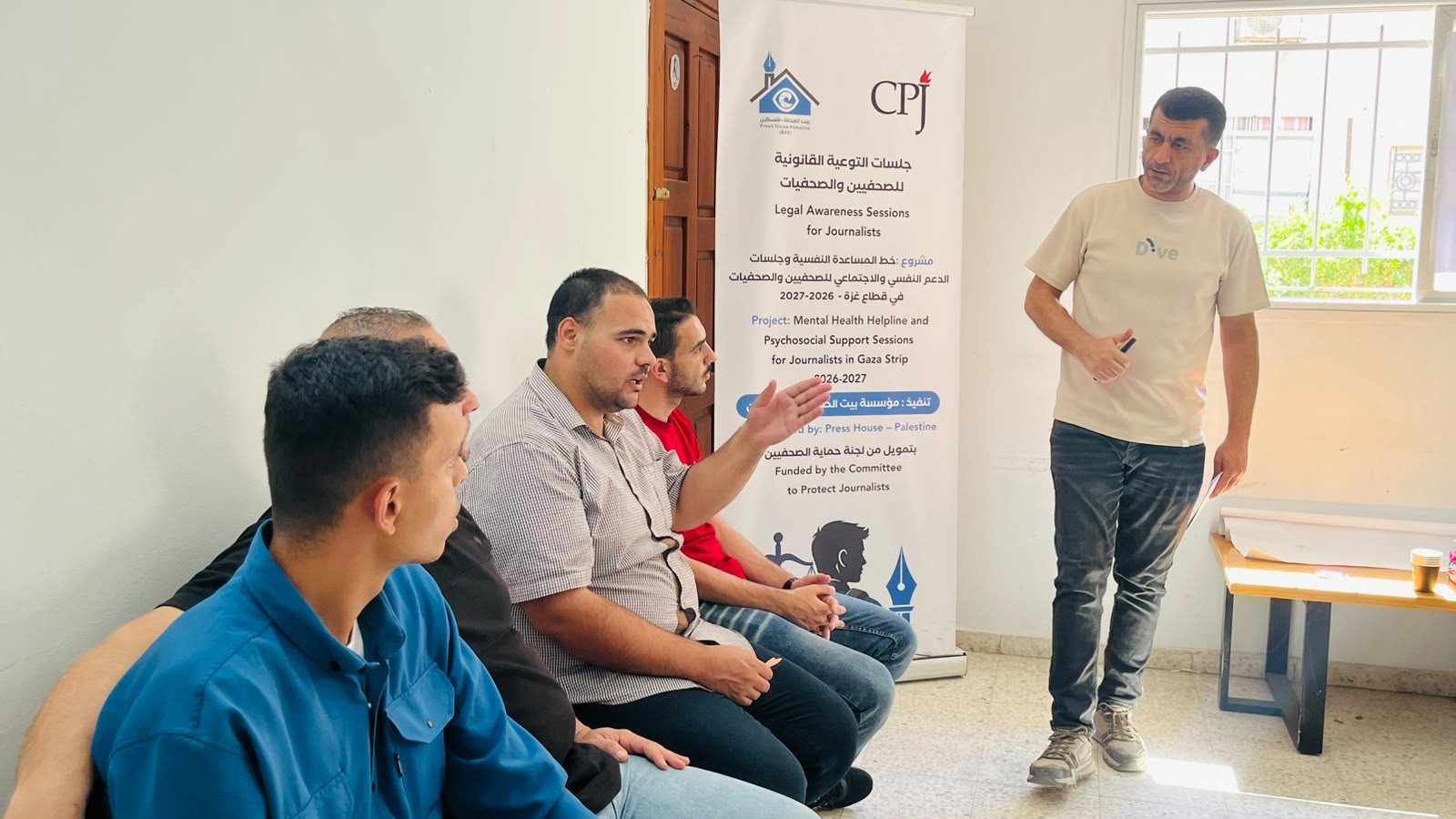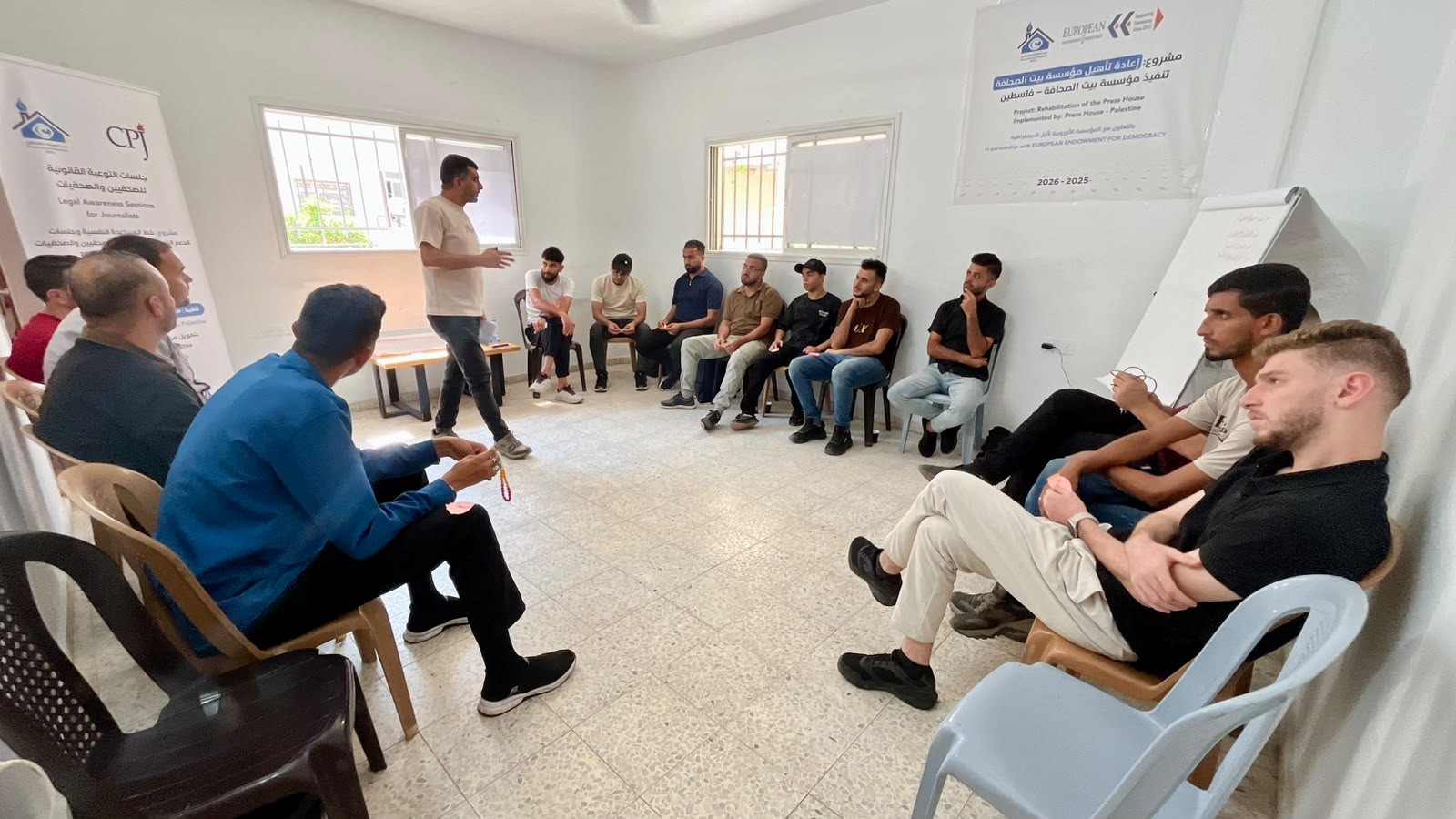
Press House – Palestine implemented the second round of psychosocial support sessions for 15 journalists from the Gaza Strip, as part of the project “Mental Health Helpline and Psychosocial Support Sessions in the Gaza Strip 2026–2027,” funded by the Committee to Protect Journalists (CPJ).
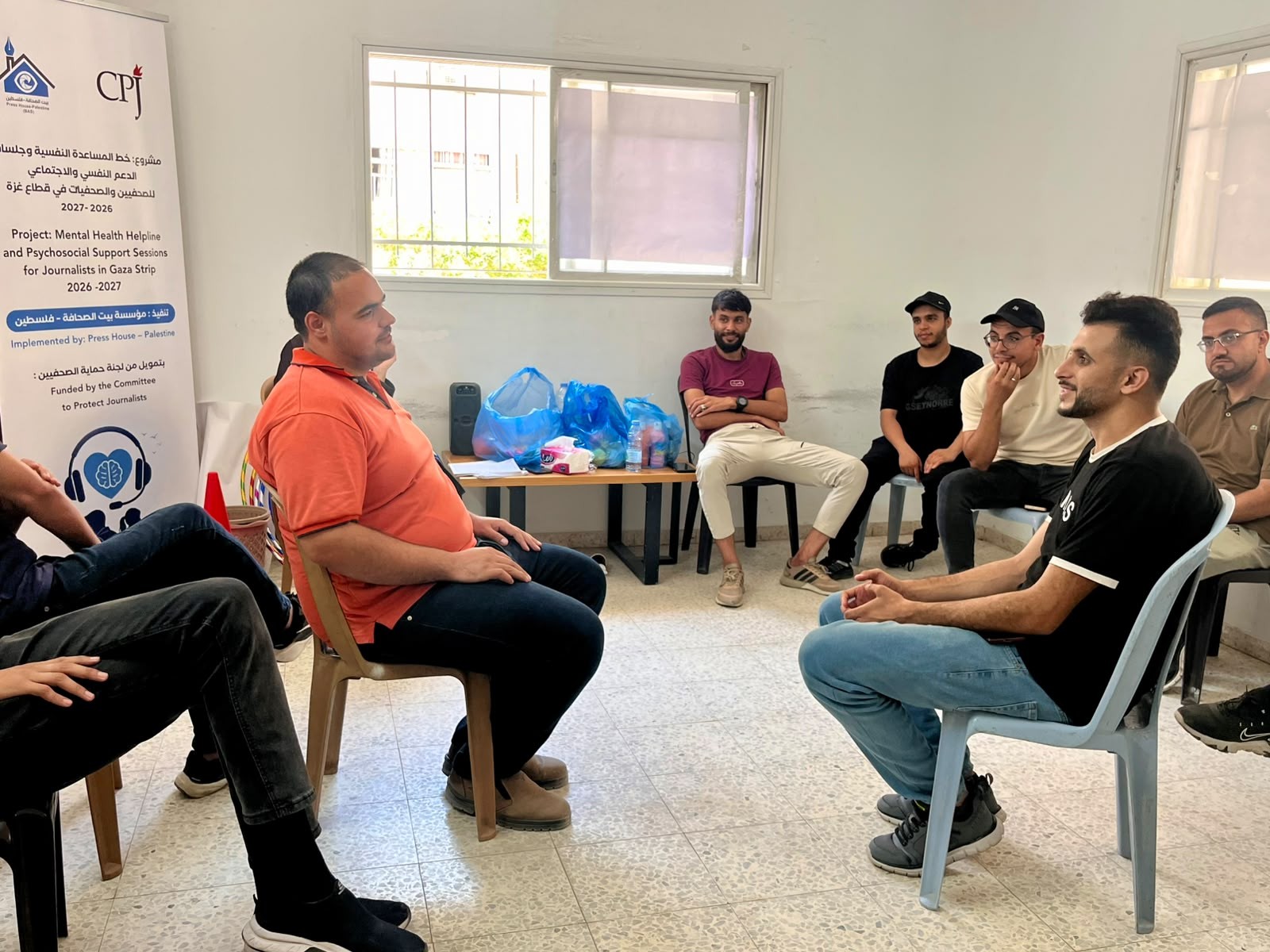
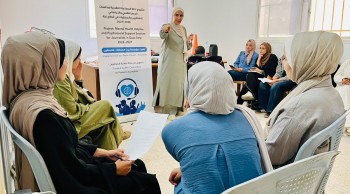
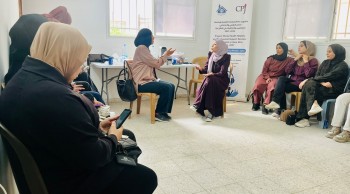
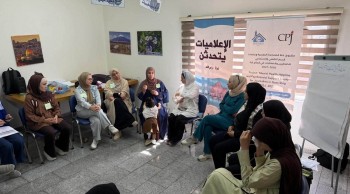
The sessions were conducted over three consecutive days, at a rate of five hours per day, and aimed to provide a safe and trusted space where participants could express their feelings and discuss the difficult experiences and challenges they faced while carrying out field reporting during the war.
The sessions also aimed to strengthen mutual support among journalists and increase awareness of normal psychological responses to exposure to traumatic events and high levels of stress. In addition, they raised awareness of gender-based violence (GBV), introduced the principles of Psychological First Aid (PFA), and highlighted the importance of self-care techniques.
The sessions were conducted around three main themes:
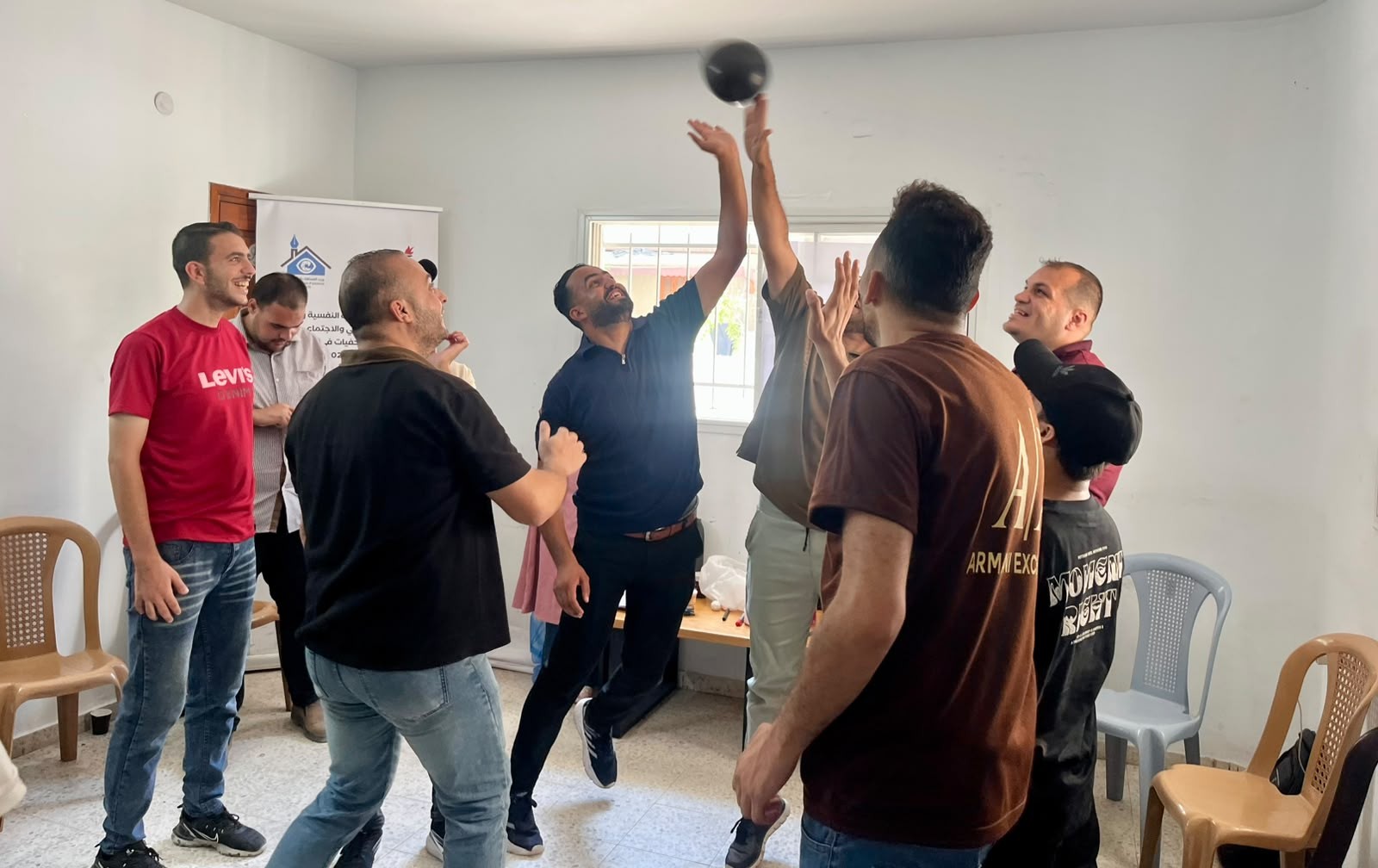
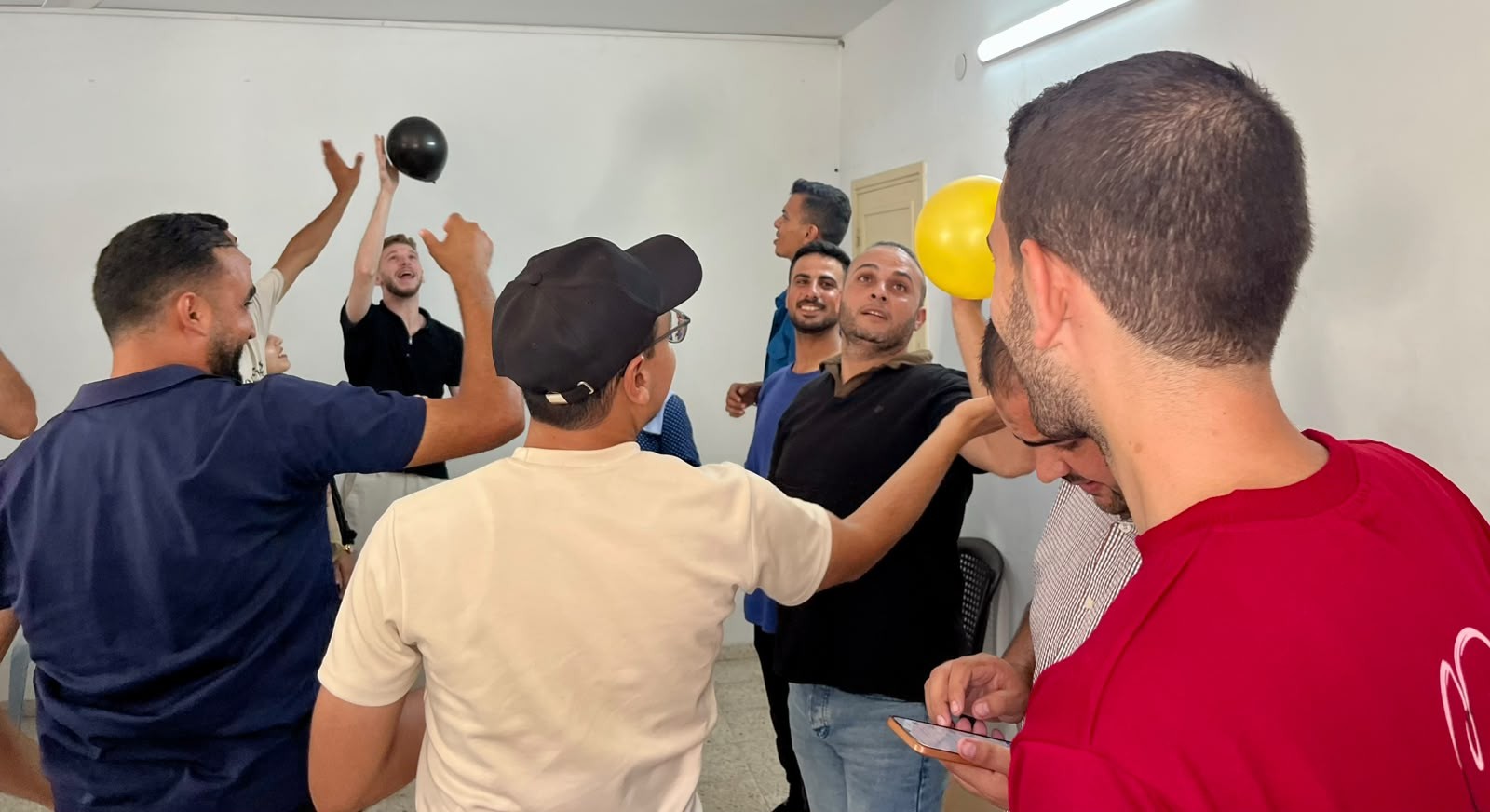
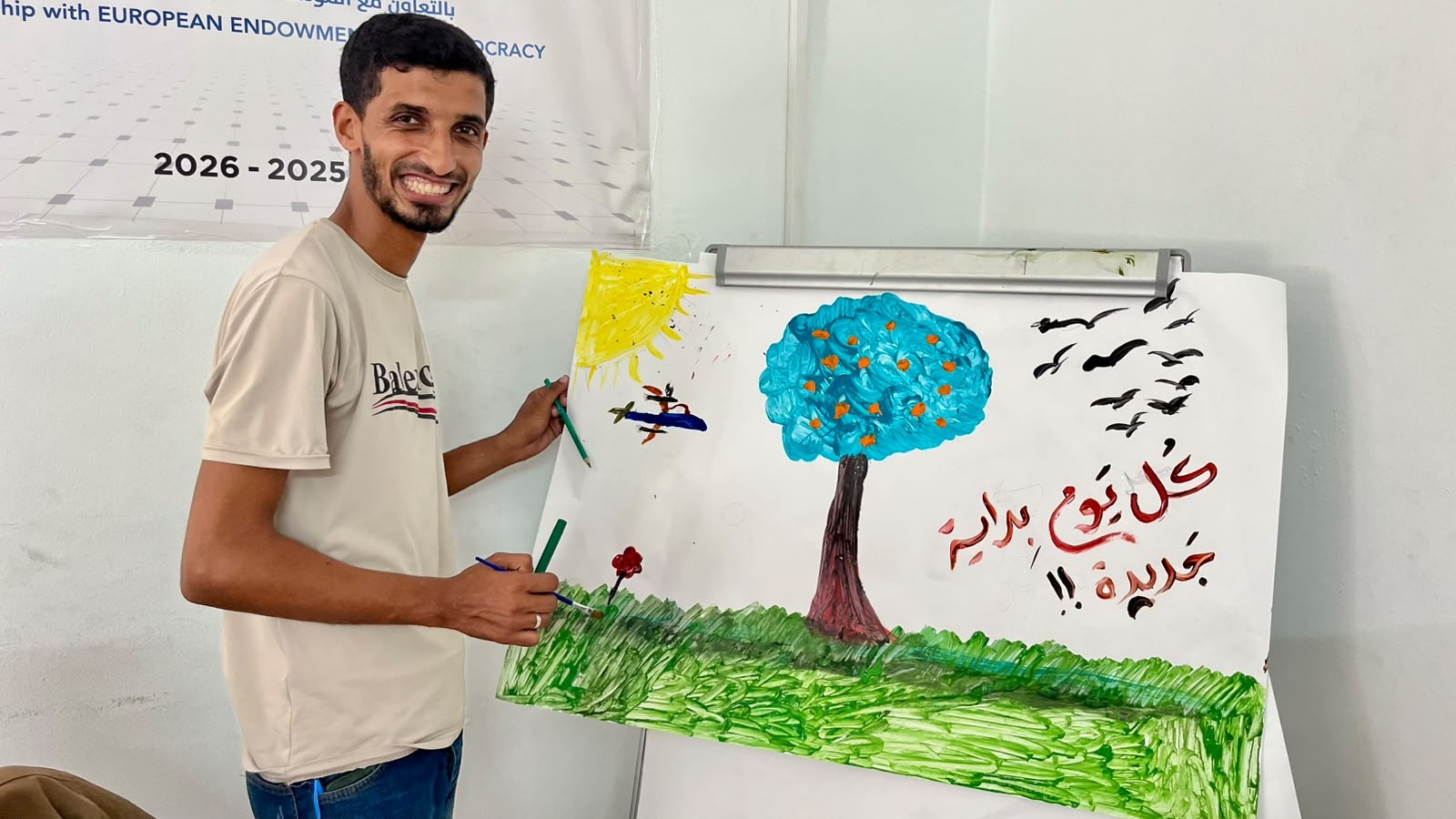
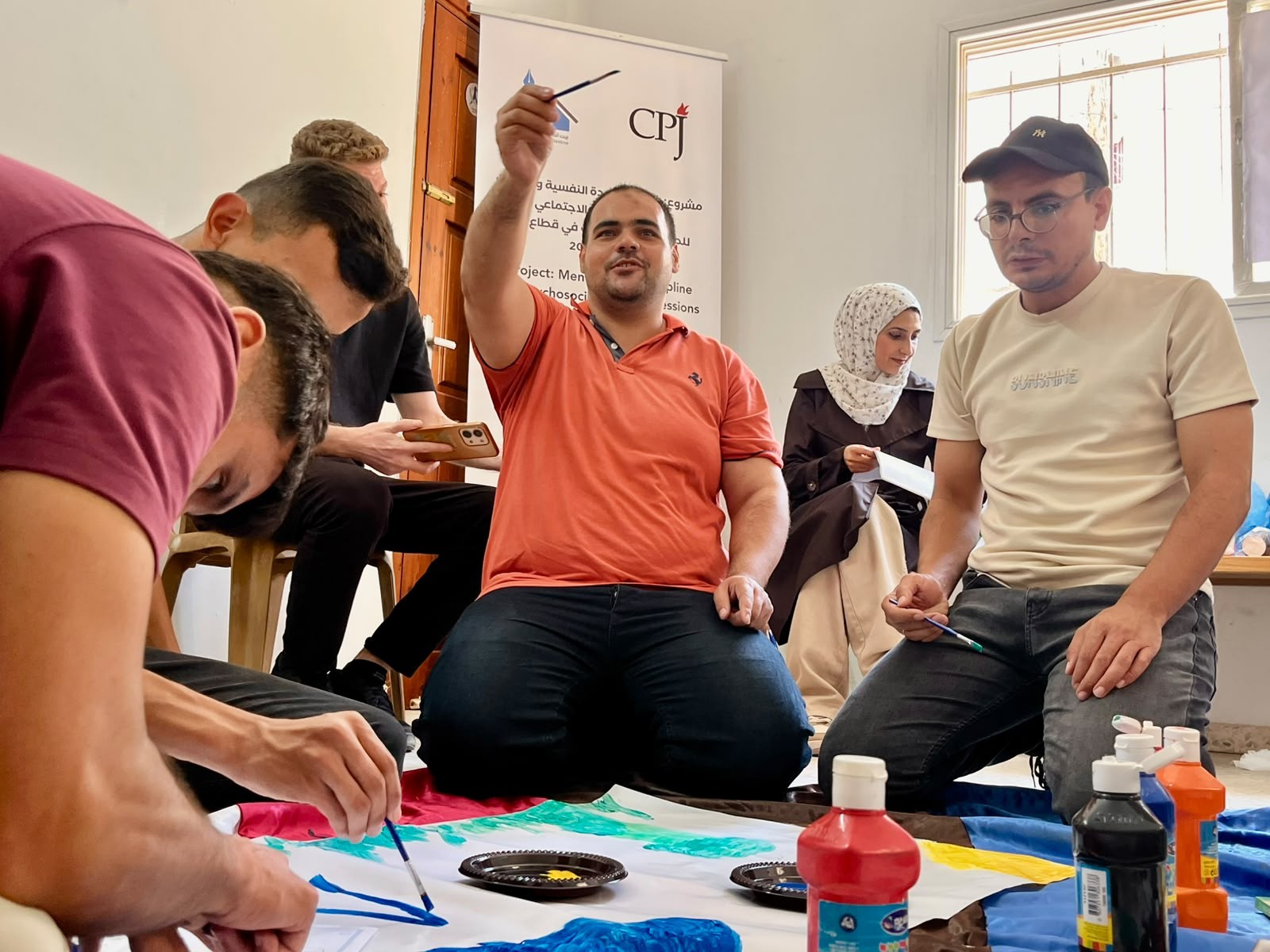
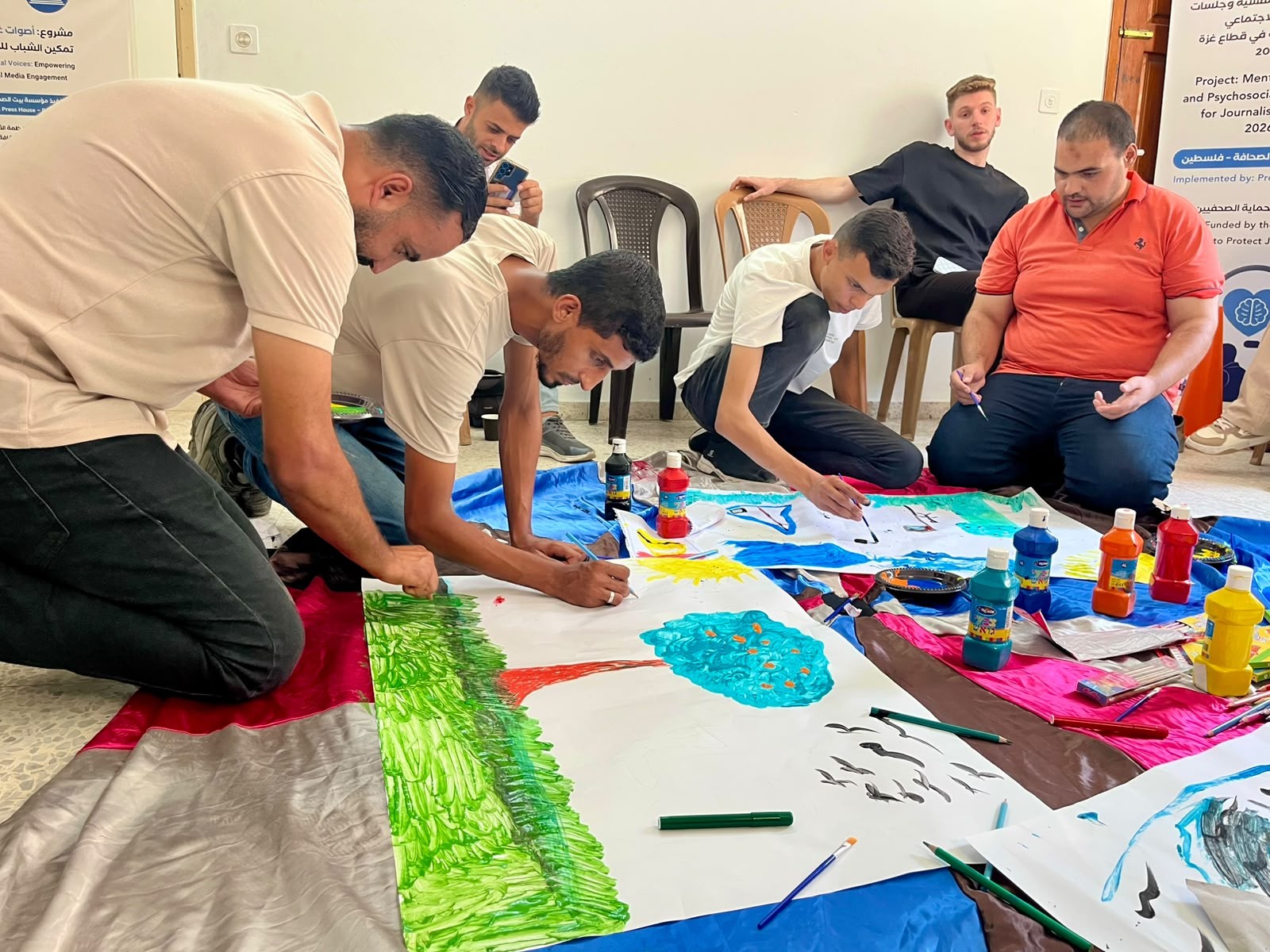
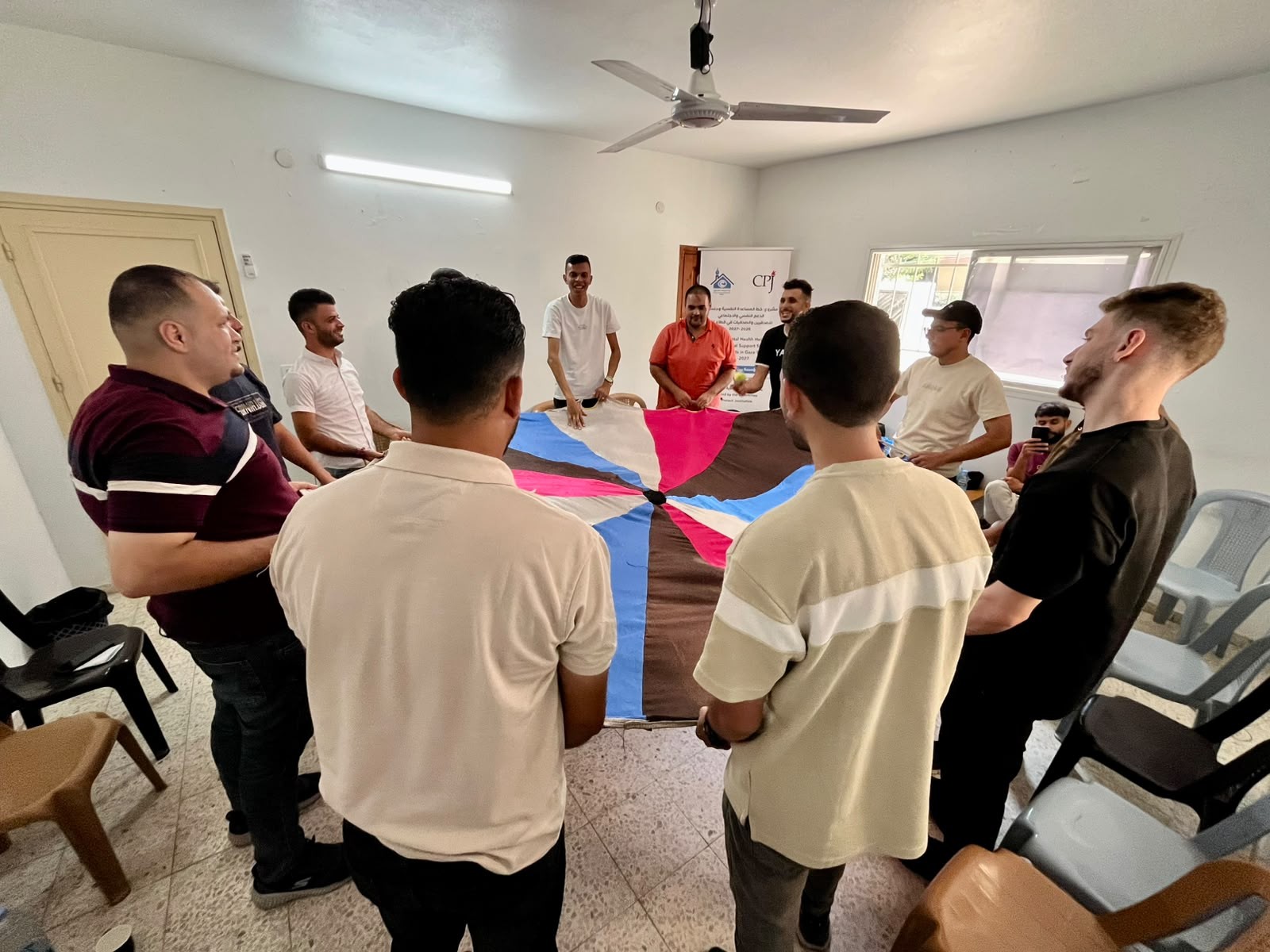
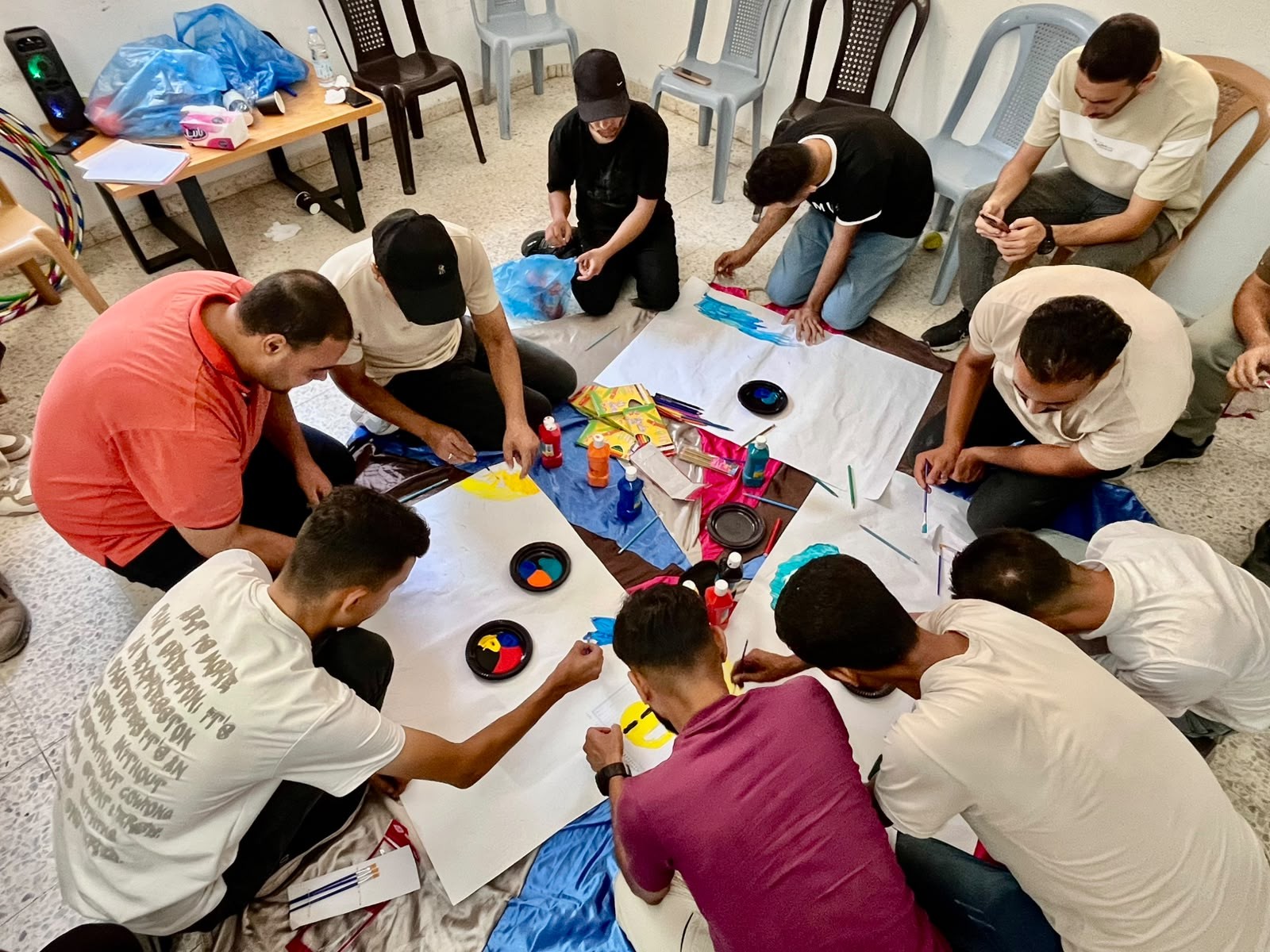
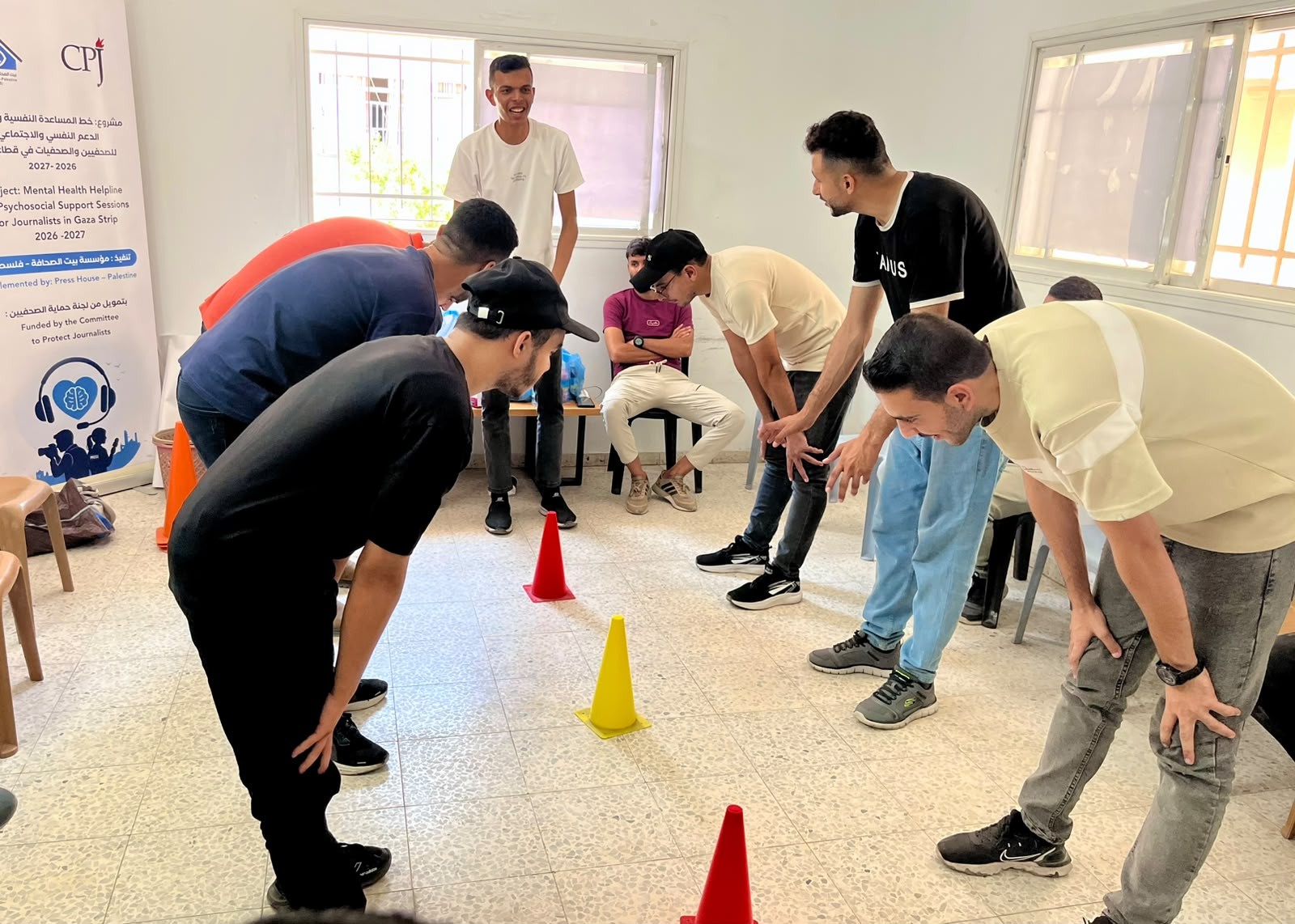
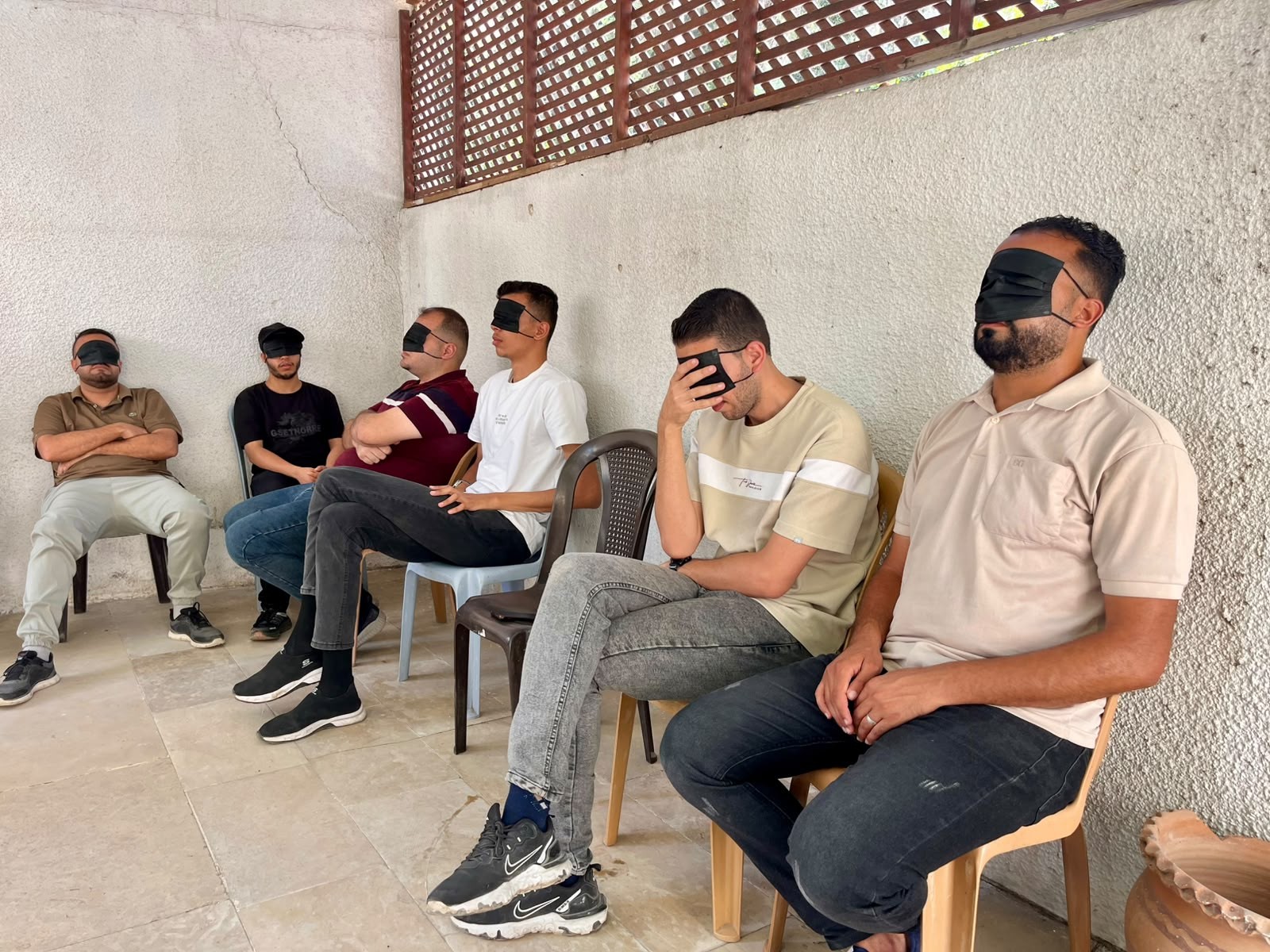
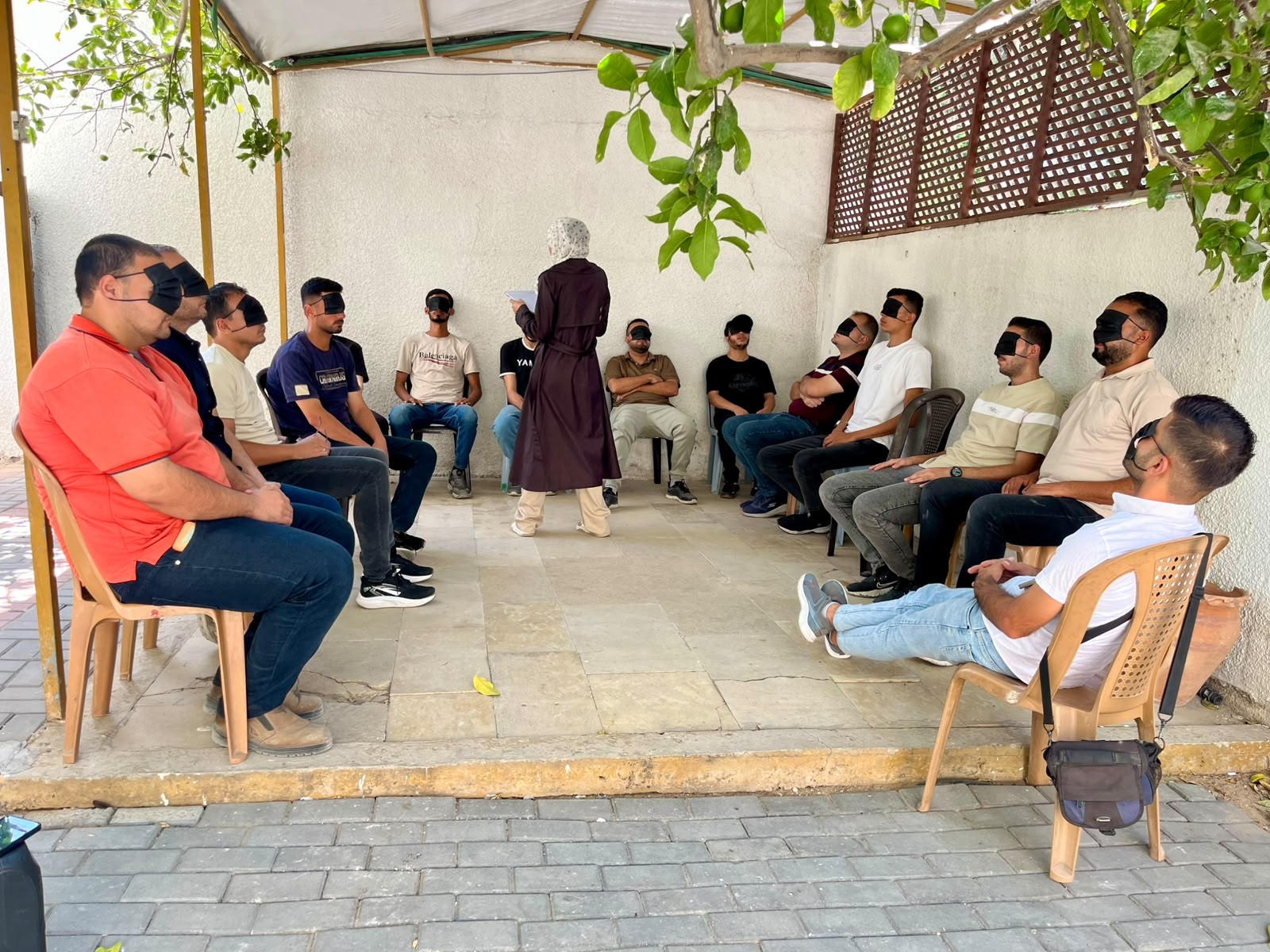
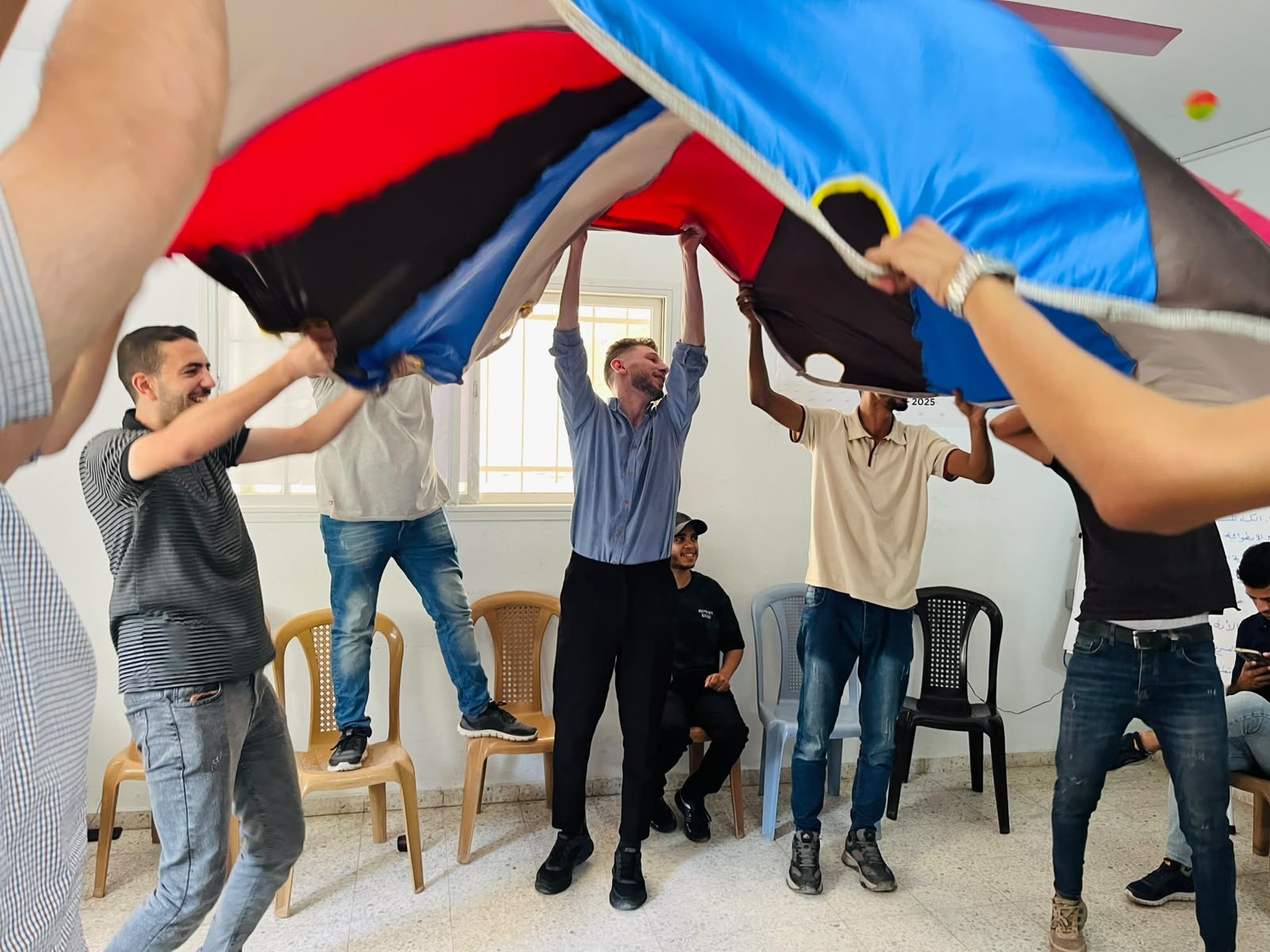
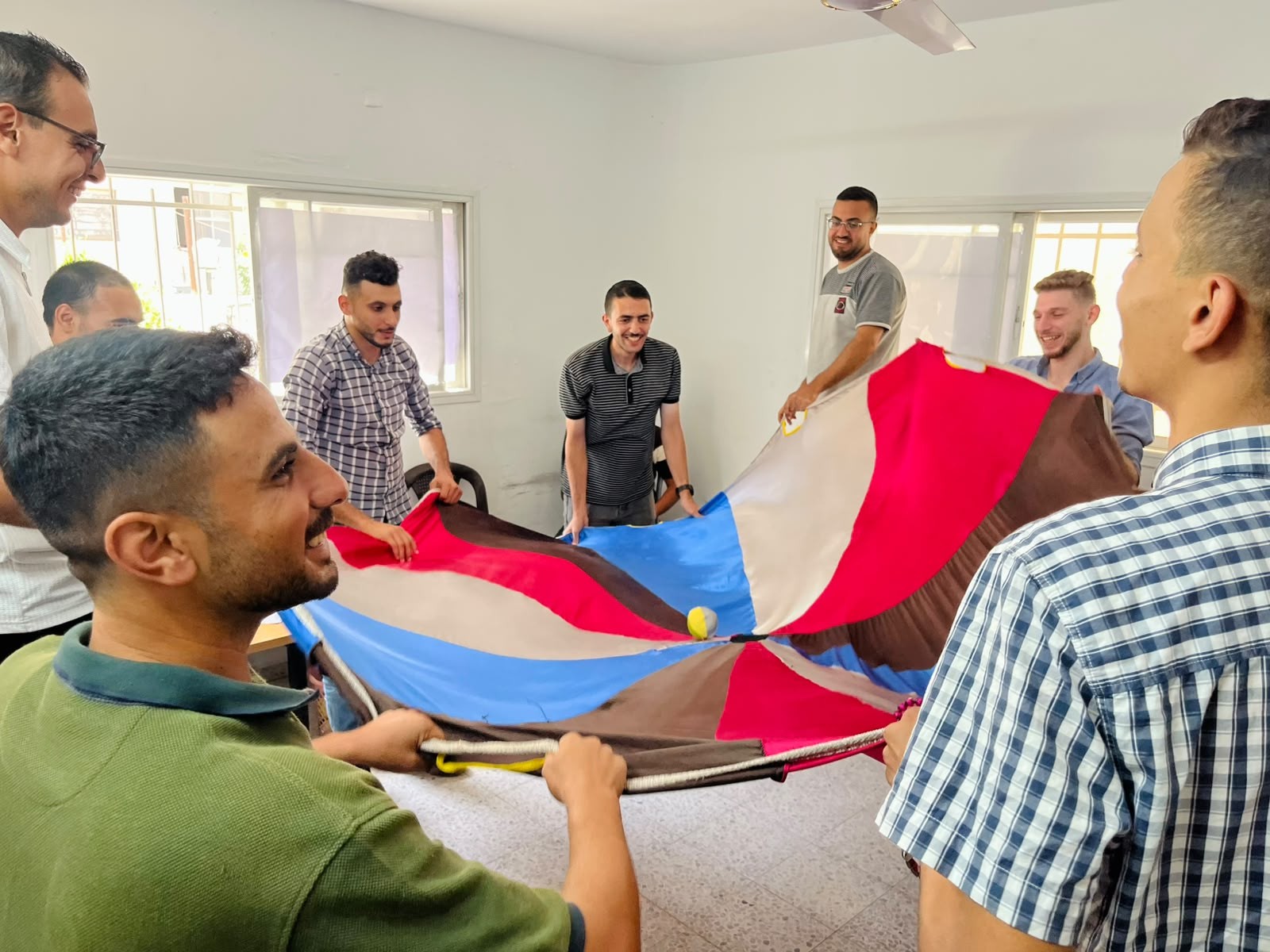
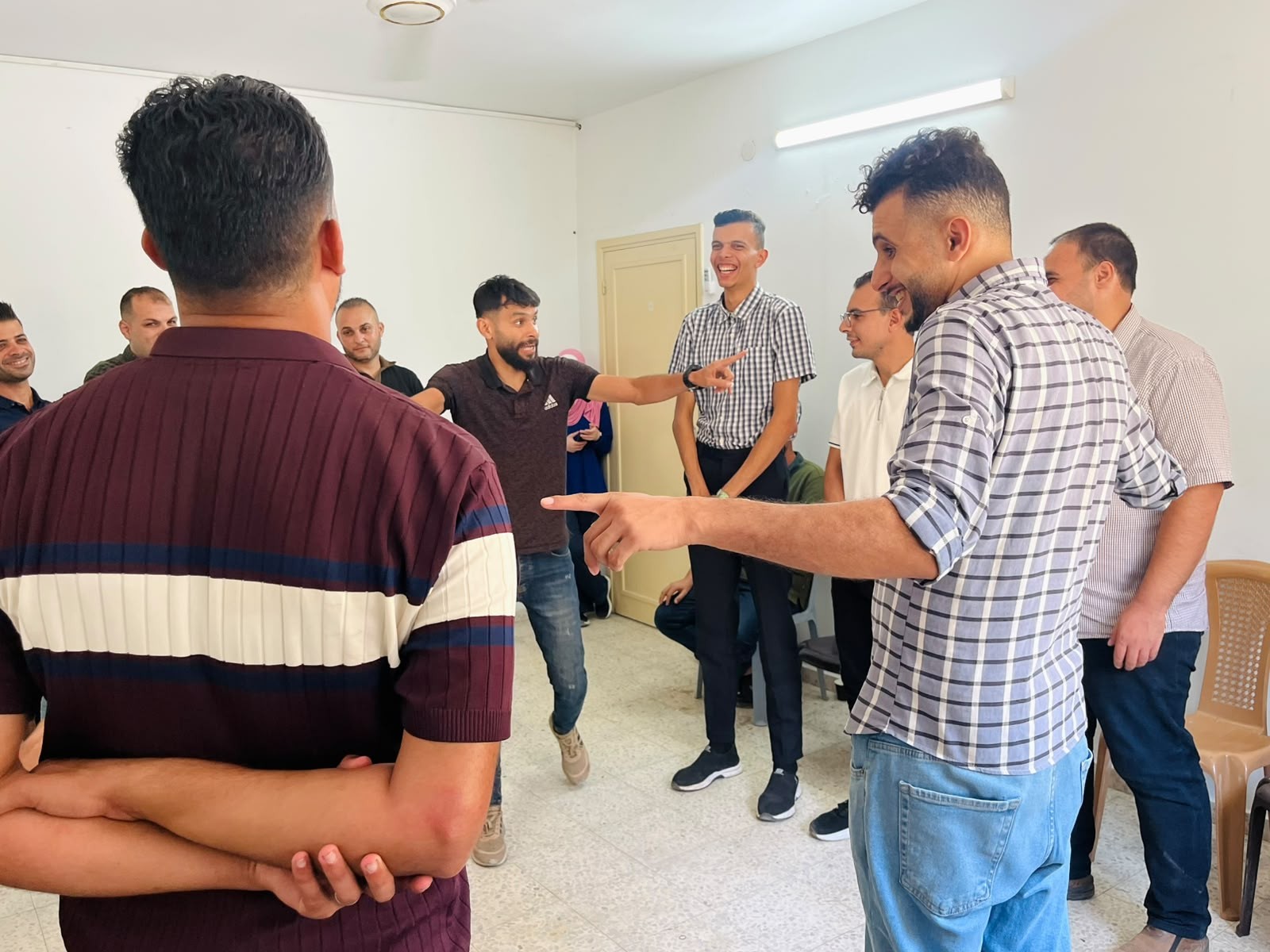
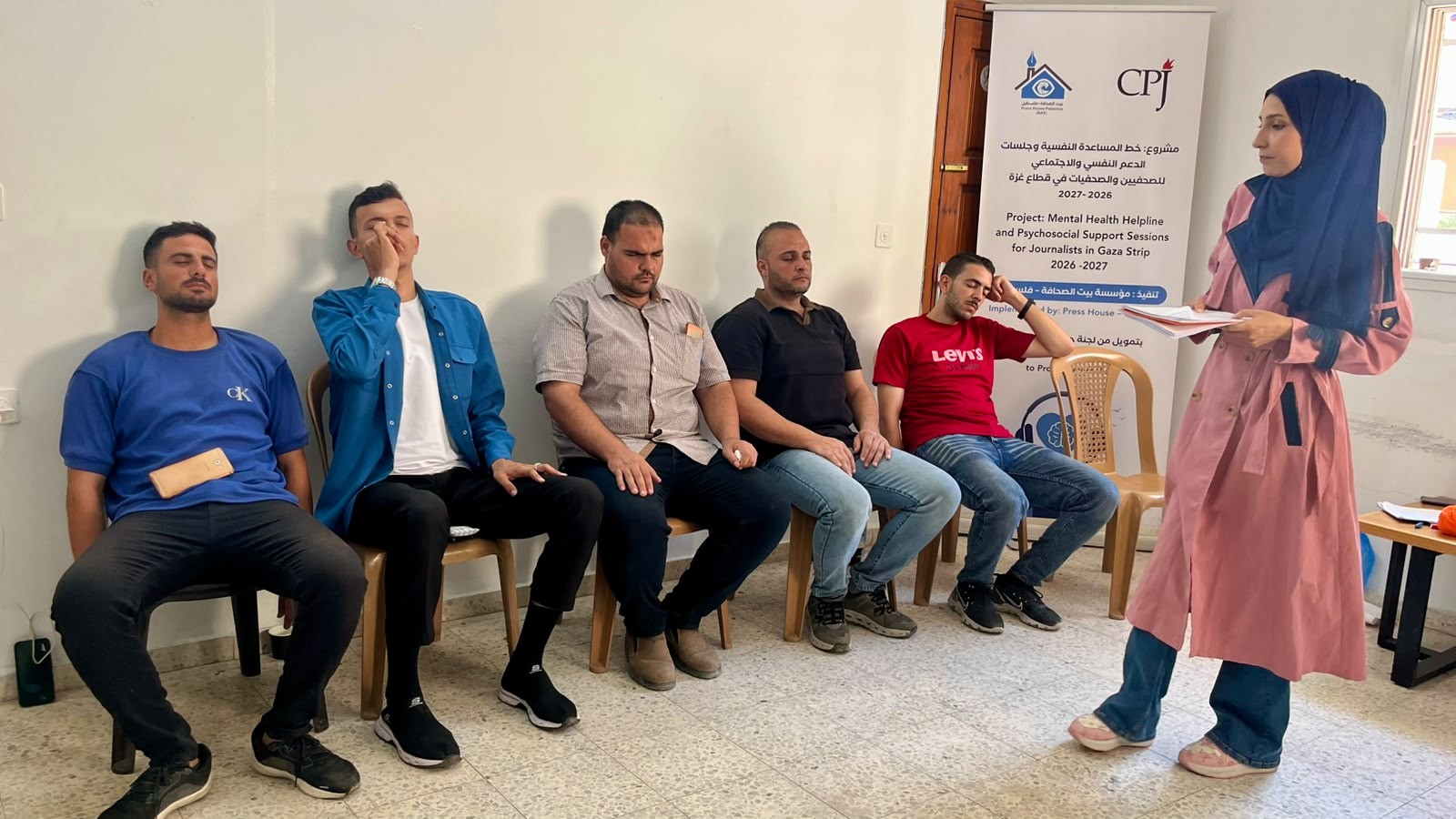
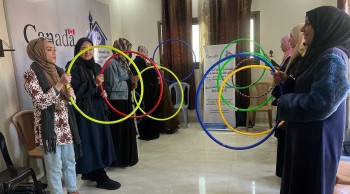
The sessions included a variety of interactive activities and interventions, beginning with introductions, ice-breaking activities, and establishing group agreements, followed by discussions of key daily challenges and psychoeducation. The sessions also included psychomotor emotional release activities, deep-breathing exercises, and progressive mental and muscular relaxation techniques.
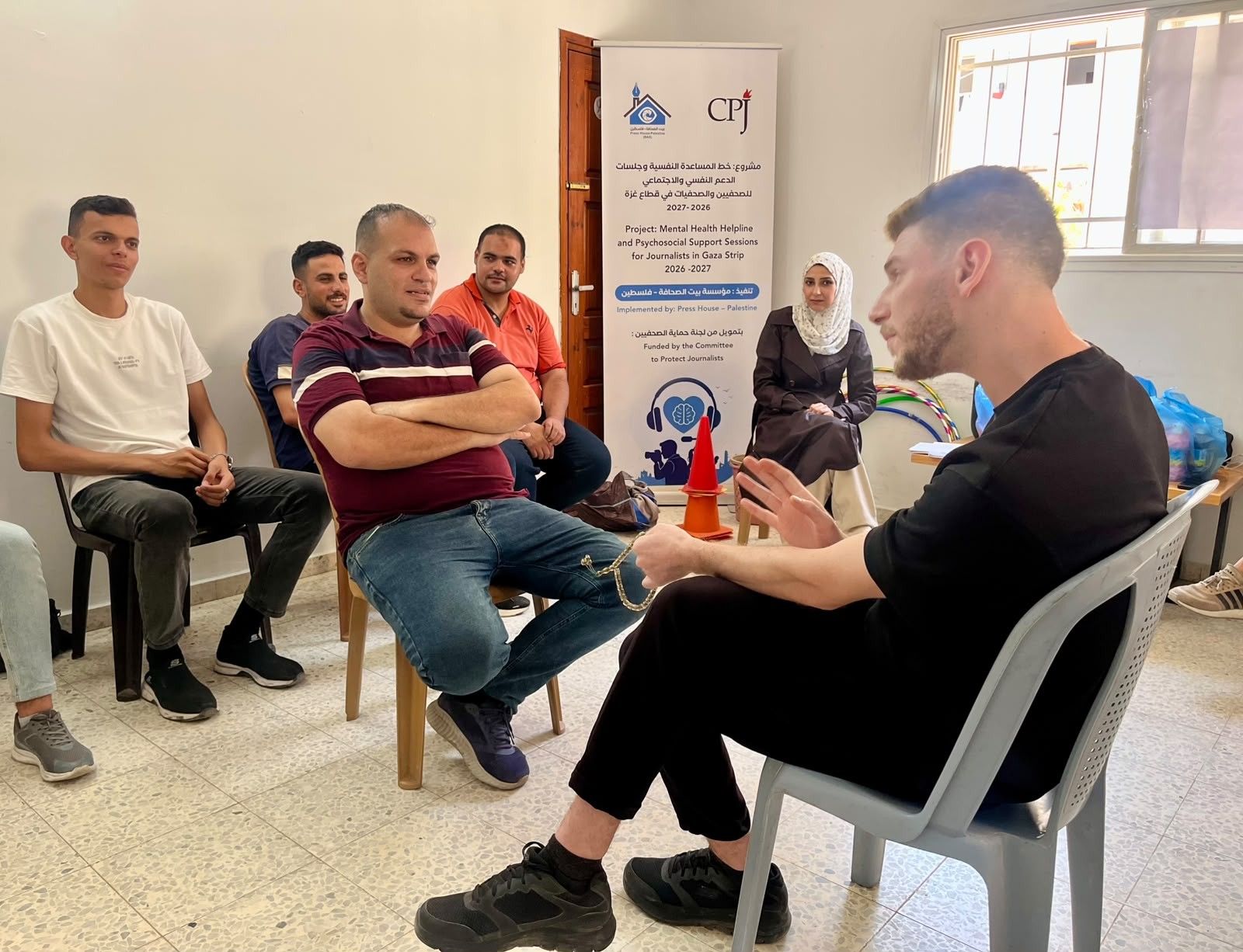
The sessions witnessed a high level of engagement from participating journalists, who shared their experiences and discussed the exhaustion, anxiety, sadness, and intrusive memories of traumatic events they experienced in the course of their journalistic work.
The sessions created a strong atmosphere of mutual support and positive participation, while maintaining a safe environment that ensured confidentiality and active listening. Participants were not pressured or required to disclose any details they were not comfortable sharing.
The sessions resulted in several positive outcomes, including strengthening participants’ skills in coping with trauma and stress, encouraging journalists to express their feelings, and reinforcing the understanding of mental health and self-care as essential elements for sustaining their work in journalism.
At the conclusion of the sessions, the facilitators recommended continuing to conduct group psychosocial support sessions on a regular basis, with a focus on new topics and activities that respond to journalists’ evolving needs. They also emphasized the importance of following up on cases that may require individual support or specialized referral to higher levels of care.
The final day of the psychosocial support sessions also included a legal awareness session delivered by Mundhir Al-Farani, Legal Advisor at Press House – Palestine, which addressed journalists’ rights under the Palestinian Labour Law.